
Your First Float: What the First Ten Minutes Actually Feel Like

If you’re wondering what to expect during your first float, start here: you do not have to be good at relaxing. You don’t need to meditate, clear your mind, or achieve enlightenment before the timer starts. Your first job is simply to arrive, get comfortable, and see how the experience feels.

At Float District, our float rooms are private, walk-in rooms with a door, not egg-shaped pods or capsules. The water is about 10 inches deep, close to skin temperature, and contains a high concentration of Epsom salt to help you float. Here’s how a first visit unfolds, from parking to the post-float lounge.

1. Arrive at Float District in La Vista

We’re at 12744 Westport Parkway, La Vista, NE 68138, convenient to La Vista, Papillion, south Omaha, and the Southport area. Park at the center and come in for your appointment. If you’re searching for float therapy in Omaha or a float tank near Papillion, this is where your visit begins.

Float District’s illuminated sign outside its La Vista wellness center

2. Check in, then get the quick introduction

At check-in, our team will welcome you and answer questions. If you’re nervous, say so. We hear it all the time; nobody gets extra credit for pretending to be completely chill.

Before your float, you’ll get an introduction to the room, the controls, and what to expect. You can ask about the door, lights, music, or anything else you’re wondering about. The point is to make sure you know how to adjust your surroundings and how to end your float whenever you want.

3. Change and shower

Your float room is private, and it has its own shower. Most people float without a swimsuit, but wearing one is completely fine if that feels more comfortable. Towels, earplugs, body wash, shampoo, and conditioner are provided, so there’s no special float-therapy packing list to stress over.

Shower before getting in to rinse off products, oils, and sweat. If you shaved or waxed recently, a small nick or irritated patch may sting in salt water. It’s best to avoid shaving for about 24 hours beforehand; if you have a small abrasion, ask the team about protecting it.

A folded towel, earplugs, and a small skin-protection packet in a clean wellness suite

4. See what the float room actually looks like

This is where many first-time questions land: Is it a pod? Will I feel trapped?

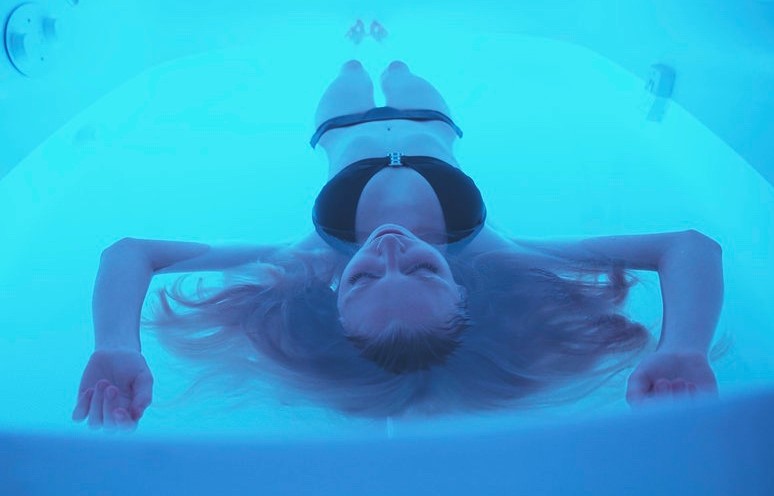
No pod. No capsule. Float District’s private float room is a walk-in room with a door, room to stand up, and open space above the water. The basin is shallow, roughly 10 inches, and the dense Epsom salt solution provides buoyancy while you rest on your back.

You control the experience. You can leave the door open or ajar, keep the lights on, and use music if you prefer. You can change the settings or get out. The door isn’t there to lock you in; it’s there to give you privacy.

5. Get in, and let the first ten minutes be a little weird

Step into the water carefully and ease onto your back. The water is skin-temperature, so it may feel less like a warm bath and more like the water boundary gradually becoming less noticeable. Your body is supported by the salt; you don’t need to swim or work to stay afloat.

Then comes the part nobody needs to dress up: your mind may get busy. You might replay a conversation, remember your grocery list, notice an itch, or wonder if your arms should be somewhere else. That’s normal. There is no correct pose, and you don’t have to force your thoughts to stop. Let them come and go. If a little music, light, or an open door helps, use it.

And if you feel bored? Also normal. There’s no screen, phone, or productivity hack to entertain you. That’s rather the point, but you don’t have to love every second to have a worthwhile first experience.

6. The middle of the float: settle in at your own pace

After the initial adjustment, some people feel their thoughts slow down; others keep thinking or simply enjoy resting. Every float is different, and there’s no guaranteed “switch” that flips at minute ten. You’re not doing it wrong if you don’t have a dramatic moment.

Research on flotation-REST (restricted environmental stimulation therapy) is still developing. A peer-reviewed systematic review reports promising findings across some areas, while noting limitations in the evidence. In other words: floating may be a useful relaxation experience, but it isn’t a medical cure-all. The Cleveland Clinic’s overview of float therapy offers a helpful general-health perspective, too.

7. The last few minutes, then out

When the session is nearing its end, you’ll get a cue so you can wrap up without needing to watch the clock. Take your time, sit up slowly, and step out carefully. If you fall asleep during a float, the salt solution helps keep you buoyant, but you can always get out if you’re uncomfortable, awake or not.

Need to leave early? You can. Open the door, step out, shower, and let the team know. Your session is yours to control. No gold star for staying in longer than feels right.

8. Shower again, then take a minute in the lounge

Rinse off the salt in your private shower, dry off, and get dressed. Your skin may feel a little salty before you rinse; afterward, people’s skin sensations vary. Some notice softness, while others simply feel clean and ready to go.

Then you can unwind in the lounge before heading back into the day. No need to spring straight from quiet time into a frantic schedule if you can help it.

A guest relaxing with tea in a peaceful, modern wellness lounge

If you want to explore other options, browse our services and prices. We also offer memberships; members get a complimentary 15-minute vibroacoustic session with a float. You can learn more about our Wave float rooms, vibroacoustic therapy, salt therapy, and cold plunge. For couples, Float District offers Omaha’s only two-person float, so you can try the experience together. When you’re ready, book your float.

First-float FAQs

How long is a float?

Float District lists a 60-minute float session. Plan extra time for check-in, the introduction, and showering before and after.

Do you wear anything in a float tank?

The room is private, so many guests float without a swimsuit. You can wear one if you prefer.

Can you float while pregnant?

Check with your healthcare provider before booking, and contact Float District with questions about your visit.

Is floating safe?

Many people use floating as a wellness and relaxation experience, but it isn’t right for every situation. If you have a medical condition, open wounds, or an infectious illness, or you’re unsure whether floating is appropriate for you, check with a healthcare professional and contact the center before booking.

What if I’m claustrophobic?

The float room is a walk-in room, not a pod. You can leave the door open or ajar, keep the lights on, use music, and get out whenever you want. If you’re uncertain, talk with the team before your session.

Can I float if I just shaved?

Freshly shaved or irritated skin may sting in the salty water. When possible, avoid shaving or waxing for about 24 hours before your float.

Do I need to bring anything?

No. Towels, earplugs, body wash, shampoo, and conditioner are provided. Bring a swimsuit if you’d like to wear one.

How early should I arrive?

Arrive a little before your appointment so you have time to check in and get the introduction without rushing. If you’re unsure how much time to allow, ask when you book.

Related reading: Debunking Myths & Fears About Floating covers the claustrophobia and cleanliness questions in more detail. If you want to share the experience, our two-person float is the only one in Omaha.

Infrared Sauna Benefits: Heat That Fits Real Life

A hard workout, a long day at a desk, a packed family schedule – tension has a way of collecting in the body. An infrared sauna offers a simple way to step out of that cycle: settle into gentle, radiant warmth, breathe deeply, and give your system time to downshift. It is not about pushing through another task. It is about making recovery and calm part of real life.

What Makes an Infrared Sauna Different?

Traditional saunas heat the air around you, often creating an intensely hot environment before your body feels fully warm. An infrared sauna uses infrared wavelengths that gently warm the body more directly. The room can feel more comfortable than a traditional sauna while still creating the deep, steady warmth many people want for relaxation and recovery.

At Float District, full-spectrum infrared sauna sessions use near, mid, and far infrared wavelengths. Each range interacts with the body differently, but the experience is straightforward: comfortable heat, a quiet private space, and time that belongs entirely to you. You can arrive feeling wound up, sore, or mentally scattered and leave feeling lighter, warmer, and more settled.

That distinction matters for people who do not enjoy extremely hot, humid rooms. If you have tried a conventional sauna and found it overwhelming, infrared heat may feel like a more approachable fit. You will still sweat and feel the effects of heat, but the experience can be easier to relax into.

Infrared Sauna Benefits for Recovery and Stress

The value of sauna time is not just the temperature. It is the pause it creates. For professionals moving from meeting to meeting, parents carrying a full mental load, and athletes asking a lot of their bodies, intentional heat can become a reliable transition between effort and recovery.

A calmer nervous system

Stress does not always show up as a dramatic feeling. Sometimes it is clenched shoulders, shallow breathing, restless sleep, or the sense that your mind never fully powers down. A warm, low-stimulation sauna session gives your body cues associated with rest. As your muscles loosen and your breathing slows, it becomes easier to shift out of go-mode.

Many guests use infrared sauna sessions as protected quiet time. No notifications, no errands, no pressure to perform. Just heat, stillness, and space to reset. That can be especially helpful when relaxation feels harder than it should.

Support for sore muscles and active bodies

Training, long shifts on your feet, weekend projects, and even hours at a laptop can leave muscles feeling tight. Heat supports circulation and can help ease the sensation of stiffness, making an infrared sauna a natural addition to an active recovery routine.

The timing depends on your goal. Some people enjoy heat after a workout when they want to relax tired muscles. Others schedule a session on a rest day, when recovery deserves its own spot on the calendar. Sauna is not a replacement for sleep, hydration, movement, or medical care when you need it. It is one supportive tool that can make those recovery habits feel more complete.

Better conditions for sleep

A good night of sleep often begins before bedtime. An evening sauna session can create a calming ritual that helps you move away from work stress, screen time, and the mental replay of the day. The warm-to-cool transition after a session may also feel naturally sleep-friendly for some people.

Your best timing is personal. If heat leaves you energized, try a daytime appointment. If it helps you unwind, build it into your evening routine with enough time to rehydrate and relax afterward. Consistency matters more than finding one perfect hour.

A practical ritual for circulation and comfort

As the body warms, blood flow increases toward the skin and muscles. That is one reason heat can feel so comforting when you are stiff or tired. It is also why hydration matters before and after your session.

Be thoughtful about the language around sauna benefits. Sweating is a normal cooling response, not a magic detox shortcut. Your liver and kidneys already do the essential work of processing waste. The real draw of an infrared sauna is more grounded: a restorative heat experience that can support relaxation, circulation, muscle comfort, and a healthier recovery rhythm.

How to Get More From Your Infrared Sauna Session

You do not need a complicated protocol to benefit from heat. Come in hydrated, wear or bring comfortable clothing as directed, and give yourself permission to be still. If it is your first session, start conservatively and let your comfort level lead.

Avoid arriving dehydrated after a demanding workout or a night out. Drink water before and after your appointment, and do not treat sweating as a reason to skip replenishing fluids. You may also want to avoid a large meal immediately beforehand so your body can focus on relaxing rather than digestion.

During the session, pay attention to how you feel. Gentle warmth, relaxed muscles, and a healthy sweat can all be expected. Dizziness, nausea, chest discomfort, or feeling faint are signs to cool down and end the session. There is no prize for staying longer than your body wants to stay.

Afterward, give yourself a few unhurried minutes. Rehydrate. Take a shower if you would like. Notice whether your shoulders sit lower, your legs feel less heavy, or your thoughts feel less noisy. Those small changes are often why people return.

Pair Heat With the Recovery You Need

An infrared sauna can stand on its own, but it also pairs well with other restorative services. If your goal is a quiet mental reset, combining heat with HALO salt therapy creates an unhurried session focused on calm breathing and comfort. HALO therapy uses micronized pharmaceutical-grade salt in a controlled environment, adding a respiratory and relaxation-focused element to your wellness time.

For active adults and athletes, sauna followed by a cold plunge can create a contrast therapy experience. The warmth encourages relaxation and circulation, while cold immersion provides a bracing, invigorating shift. Some people love the energized feeling afterward; others prefer heat alone. Both are valid. Your ideal routine should feel supportive, not like another performance metric.

Red-light therapy, vibroacoustic sessions, and float therapy can also fit around sauna time depending on your goals. If you are carrying stress, a more calming combination may make sense. If you are focused on post-training recovery, you may choose heat and cold. The best plan is the one you can return to regularly.

Who Should Take Extra Care With Infrared Sauna Use?

Infrared sauna sessions are designed to be accessible, but heat is not right for every body or every day. Check with a qualified healthcare professional before using a sauna if you are pregnant, have heart or blood pressure concerns, have a condition affected by heat, are prone to fainting, or take medications that change sweating, hydration, blood pressure, or heat tolerance.

Skip a session when you are sick, feverish, significantly dehydrated, or recovering from heavy alcohol use. If you are new to sauna, share that with the staff. A supportive wellness experience should feel welcoming from the moment you walk in, and a few simple adjustments can help you feel comfortable.

The goal is not to endure intense heat. The goal is to leave feeling better than when you arrived.

Make Heat a Habit, Not a Rare Treat

The most meaningful benefits of an infrared sauna often come from repetition. One session can feel amazing, especially after a stressful week or hard workout. A regular practice gives you something even more valuable: a dependable place to recover before tension becomes your baseline.

For Omaha adults juggling work, training, family, and the constant pull of a full schedule, that kind of routine is not indulgent. It is maintenance. Start with the session that feels manageable, pay attention to how your body responds, and build from there. Your recovery does not need to be dramatic to make a real difference – sometimes it begins with choosing one warm, quiet hour for yourself.

Contrast Therapy vs Traditional Recovery: Which Is Better For Your Wellness Routine?

Let's be honest – you've probably tried every recovery trick in the book. Ice baths that made you question your life choices, passive rest that felt more like giving up, and maybe even some questionable Pinterest remedies that didn't work. But here's the thing: the wellness world has been buzzing about contrast therapy, and for good reason.

If you're tired of recovery methods that leave you wondering "did that actually do anything?", it's time we had a real talk about what actually works. Spoiler alert: there's now solid science behind why some methods crush it while others just… don't.

What We're Actually Talking About Here

Contrast therapy isn't just wellness industry jargon – it's a scientifically-backed method that involves alternating between hot and cold water immersion. Think hot tub to cold plunge and back again, creating a cycle that makes your blood vessels expand and contract like they're doing cardio.

Traditional recovery methods are pretty much what you'd expect: passive rest (aka doing absolutely nothing), ice baths, and other single-temperature approaches that have been around forever. They're not wrong, but they're definitely not optimized.

image_1

Contrast Therapy: Why It's Actually Worth the Hype

Here's where things get interesting. Research shows that contrast therapy can reduce delayed onset muscle soreness (DOMS) by up to 50% compared to just sitting on your couch hoping for the best. That's not a small improvement – that's game-changing.

The Science Part (Don't Worry, We'll Keep It Simple)

When you alternate between hot and cold, your blood vessels play this elaborate dance of expanding and contracting. The hot water dilates your vessels, flooding your muscles with fresh oxygen and nutrients. The cold water constricts them, pushing out metabolic waste and reducing inflammation. It's like giving your circulatory system a personal trainer.

But here's the kicker – it's not just physical. Contrast therapy triggers the release of endorphins and norepinephrine, which basically means you get a natural mood boost while your muscles recover. It's wellness multitasking at its finest.

The Real Benefits:

  • Significantly better DOMS reduction than passive recovery
  • Improved circulation and lymphatic drainage
  • Mental health benefits through hormone release
  • Customizable intensity based on your tolerance
  • Actually feels like you're doing something productive

The Not-So-Great Parts:

  • More expensive than doing nothing (shocking, we know)
  • Requires either a studio membership or a decent home setup
  • No universal "perfect" protocol – you might need to experiment
  • Takes actual time and commitment

Traditional Recovery: The Old Reliable (Sort Of)

Let's give credit where it's due – traditional methods aren't useless. They're just… limited. Passive rest works because your body naturally heals itself over time. Ice baths work because cold therapy reduces inflammation. But neither is particularly optimized for maximum recovery.

image_2

Ice Baths: The Cold Hard Truth

Ice baths have their place, especially if you're dealing with acute inflammation or you're on a tight budget. They're straightforward: get cold, reduce inflammation, done. But compared to contrast therapy, they're missing half the equation – the circulation boost that comes from heat exposure.

Passive Rest: When Doing Nothing Is Actually Something

Sometimes passive rest is exactly what you need, especially if you're managing an injury or just need baseline recovery between light workouts. It's free, it's easy, and it doesn't require any equipment or planning.

Why Traditional Methods Fall Short:

  • Passive rest is significantly less effective for active recovery
  • Ice baths alone don't provide the circulation benefits of alternating temperatures
  • Limited mental health benefits compared to contrast therapy
  • Can be uncomfortable without the reward of superior results

Let's Compare Apples to Apples

What We're Looking At Contrast Therapy Ice Baths Passive Rest
Muscle Soreness Reduction Up to 50% better than rest Better than rest, similar to contrast Your baseline (lowest)
Inflammation Control Excellent via vascular pumping Direct cold-induced reduction Minimal active control
Mental Health Boost Significant hormone release Some norepinephrine Pretty much nothing
Your Wallet Moderate to high cost Low cost Free
Ease of Access Needs setup or studio Accessible but brutal Available 24/7
Time Investment 15-30 minutes 10-15 minutes However long you want
Comfort Level Challenging but doable Can be torture Maximum comfort

When to Choose What (The Real Talk Section)

Go with Contrast Therapy if:

  • You're serious about optimizing recovery and willing to invest
  • You want the most comprehensive physical and mental benefits
  • You're training hard and need maximum DOMS reduction
  • You have access to Float District's contrast therapy setup or can create one at home
  • You don't mind a learning curve for optimal results

Stick with Ice Baths if:

  • You're dealing with specific acute inflammation
  • Budget is your main concern
  • You prefer simple, straightforward protocols
  • You're mainly focused on post-workout inflammation management
  • You're okay with missing out on some potential benefits

Choose Passive Rest when:

  • You're doing light maintenance between moderate workouts
  • Time and resources are extremely limited
  • You're managing injuries where immersion isn't appropriate
  • You just need baseline recovery without active intervention

image_3

The Bottom Line (Finally)

Here's what the research actually tells us: contrast therapy consistently outperforms passive recovery for athletic performance and wellness, particularly for reducing muscle soreness and improving how you feel afterward. When compared directly to ice baths, both show similar physical benefits, but contrast therapy has the edge with additional mental health advantages.

The Practical Reality Check:

If you can access contrast therapy regularly, the evidence suggests it's worth it. The benefits are measurable, not just wellness industry marketing fluff. However, if that's not realistic for your lifestyle or budget, an ice bath still provides meaningful benefits over doing nothing.

But here's the thing that really matters – any active recovery method beats passive rest. The biggest jump in benefits happens when you move from doing nothing to doing something. Whether that something is contrast therapy or ice baths depends on your specific situation.

Making It Work for Your Life

The "best" recovery method is the one you'll actually use consistently. If contrast therapy feels too complicated or expensive, start with what's accessible. If ice baths make you miserable, they won't help in the long run. If passive rest is all you can manage right now, that's better than beating yourself up about not doing more.

Recovery isn't just about the method – it's about consistency, proper nutrition, adequate sleep, and managing stress. The most sophisticated recovery protocol in the world won't save you from poor lifestyle habits.

Ready to Level Up Your Recovery Game?

If you're curious about experiencing professional contrast therapy, Float District offers expertly designed contrast therapy sessions that take the guesswork out of protocols and temperatures. Sometimes the best way to figure out what works for you is to try it under optimal conditions first.

The wellness industry loves to overcomplicate things, but recovery doesn't have to be rocket science. Choose the method that fits your lifestyle, commit to consistency, and pay attention to how your body responds. Your muscles (and your mood) will thank you for it.

Veterans and Active Military

$25.00 services!!!

Float District wants to honor our Veterans and active military.


EVERY Friday of EVERY month, Veterans and active military men and woman can book any service we offer up to an hour long for only $25.00! Including Legal Spouses.

Credentials required

Military Fridays

$25.00 services!!!

Float District wants to honor our Veterans and active military.

EVERY Friday of EVERY month, Veterans and active military men and woman can book any service we offer up to an hour long for only $25.00! Including Legal Spouses.

Credentials required

Debunking Myths & Fears About Floating and Personal Wellness

So, you’ve probably heard about float therapy—maybe from your endlessly chill friend, or that one podcast host who “emerged enlightened” after a 60-minute session. Or maybe you’re just curious about real wellness, but one look at a float tank, and your monkey brain screams, “Not a chance!” Don’t worry, you’re not alone. The world of wellness is packed with bold claims, sketchy testimonials, and—let’s face it—a good helping of misinformation and old-fashioned fear.

Let’s clear the murky water about floating, debunk some myths, and get laser-focused on what you can actually expect if you dare to step into a float tank at Float District.


Myth 1: Floating is Just a Trendy Stress Reliever

If I had a dollar for every time someone shrugged off float therapy as “just another relaxation fad,” I’d be floating in a private pool in the Bahamas. Sure, stress relief is a big deal in the float world. That’s because it actually works. But pigeonholing floating as just a stress-relief technique totally misses the point.

Floating is about so much more:

  • Athletic recovery: Professional athletes (you know, the ones who get paid for being in peak physical state) use float tanks to speed muscle recovery and reduce soreness.
  • Chronic pain: Studies show measurable pain relief for folks with fibromyalgia, arthritis, or back pain—without popping another pill or resorting to medieval torture devices.
  • Unsticking that creative block: Reduced sensory input gives your brain space to think in weird, wonderful new ways.

The TL;DR: If all you want is a quick nap, your couch is probably fine. If you want full-body, brain-boosting wellness, floating just might surprise you.

image_1


Myth 2: The Tanks are Scary, Claustrophobic Boxes

The number one reason people–especially first-timers—bail on their float session? “I think I’ll feel trapped.” Completely reasonable! Closing yourself in a dark tank of water does sound pretty dramatic. But let’s be real, float tanks today aren’t the buried-alive coffins of your nightmares.

  • Roomy and safe: At Float District, our tanks are tall, wide, and let you stretch out starfish-style without ever touching the sides.
  • Total control: Want the lights on? Go for it. Want gentle music? You got it. Want to open the door a crack or leave it open entirely? Absolutely.
  • You’re always in charge: The session stops whenever you say it stops. You’re not being locked in—you’re choosing calm.

Real talk: Most people get in, give the settings a try, and realize they feel free, not boxed in. The only thing you might lose is track of time (which is half the point).

image_2


Myth 3: “Aren’t These Tanks…Gross?”

Cue the horror movie soundtrack. Will I catch something from a float tank? Is it basically a petri dish for germs? Spoiler: float tanks are probably cleaner than your favorite coffee shop.

Here’s how it breaks down:

  • Our tanks are meticulously cleaned after every single session—no exceptions, ever.
  • We use top-tier filtration systems, hospital-grade disinfectant protocols, and the water is saturated with medical-grade Epsom salt. Imagine an environment so salty even bacteria call it quits.
  • Water is triple filtered, UV light is utilized, and we obsessively test salt levels and water purity.

If you want specifics on our process, just ask. Or, check out the real-world feedback on our reviews page. We’re not hiding anything.


Myth 4: There’s No Actual Science Behind It

Look, not every wellness trend deserves a Nobel Prize—but floating isn’t all hype and hashtags. There are stacks of peer-reviewed studies (yes, the ones written by researchers, not bloggers) showing floating can:

  • Lower cortisol (your “I’m freaking out!” hormone)
  • Improve chronic pain conditions
  • Reduce anxiety and depression symptoms
  • Enhance sleep quality and focus

No form of self-care is a silver bullet, but float therapy is more “legit” than most expensive wacky supplements lining the shelves these days. If you want links to research, we’re happy to nerd out with you.


Myth 5: If I Float, I’ll Absorb Magical Magnesium or Detox My Entire Life

Alright, let’s set this straight: Floating in Epsom salt isn’t the same as sticking yourself into a supplement bottle.

  • Magnesium absorption: The skin doesn’t exactly hoover up magnesium like a shop vac. Yes, soaking in Epsom salt is soothing, but it isn’t going to single-handedly “fix” a deficiency or pull heavy metals from your DNA.
  • Detox claims: Your liver and kidneys are already handling things like a pro. Don’t believe the hype.

Here’s the real magic: You get true downtime, ache-easing buoyancy, and a rare break from endless notifications. That’s wellness you can actually feel.


Myth 6: It’s Only for “Health Nuts” or Yogis

Newsflash: You don’t need to speak Sanskrit, wear mala beads, or even know what a chakra is to float. Floating is for:

  • Runners with shin splints
  • Accountants losing sleep over spreadsheets
  • Parents sick of stepping on LEGOs
  • Humans with too many tabs open in the brain

Floating is for everyone. No pre-requisites. No secret handshake.

image_3


Fears You Can Toss Out the Window

Will I Drown If I Fall Asleep?

Look, falling asleep is kind of the point—and you won’t drown. The salt content in our tanks makes you buoyant enough to keep your face out of the water. You literally float like a cork. Flipping over by accident? Not gonna happen unless you’re auditioning for a synchronized swimming show.

What If My Mind Won’t Shut Up?

Contrary to what Instagram yogis say, you don’t have to turn off your brain—or reach enlightenment—to get benefits from a float session. Most people spend the first few minutes letting their thoughts ping around. That’s normal! Eventually, your brain chills out and rests, kind of like putting your laptop in sleep mode. Enjoy the quiet, even if your to-do list makes a cameo.

Is It Going to Be Weird or Uncomfortable?

Any new experience feels weird—until it doesn’t. We promise floating is way less awkward than your last Zoom meeting. And if you’re ever uncomfortable, just step out, shower off, grab a snack, and go on with your day.


What Can You Actually Expect?

  • Profound relaxation: Think of it as a full-body exhale.
  • Lower stress: It’s like turning the volume down on your worry soundtrack.
  • Faster workout recovery: Muscles love it, and honestly, so does your brain.
  • Surprising creativity: Unplug and suddenly your best ideas just… show up.

The best part? It’s different for everyone. You get to decide how it fits into your wellness puzzle.

Want even more real talk? Drop in, call us, or stalk our blog for honest stories, tips, and heads-ups on new services.


Bottom Line (No Fluff, No Nonsense)

Floating isn’t magic—it’s just a seriously good tool to help you feel and function better in this very loud, very busy world. Strip away the hype, forget the sketchy claims, and see for yourself what happens when you tune everything out for an hour. It’s as simple—and as life-changing—as that.

Ready to test the myths yourself, or just want to ask more questions? Book a session at Float District, wave hello to our friendly staff, and see what floating is (and isn’t) all about. Wellness doesn’t have to be complicated—it just has to work.

image_4


Still got questions or want to see real customer feedback? Dive into our reviews or scroll through our latest updates here.


Why Float Therapy Is Omaha’s Secret to Stress-Free Living (And Why You Need to Try It!)

What Actually Happens in a Float Tank?

You might have heard some buzz about floating, but what’s it really all about? Float therapy (also called sensory deprivation or “floating”) is the practice of lying on your back in our spacious float tanks filled with ultra-clean, highly-cushioned, pharmacutical grade Epsom salt–filled water. The water is heated exactly to skin temperature, and there’s no light or sound unless you want some gentle music or colored glow. You step into the float tank, close the door behind you, then jut lay back, and—thanks to all that salt—float totally effortlessly. Gravity’s off-duty, and so are your senses.

This “nothingness” might sound odd at first, but it’s what sets float therapy apart from every other wellness or spa treatment out there. For about an hour, you give your body and mind a rare chance to disengage completely from the world, creating the ultimate stress reset.

Why We’re All So Stressed—and How Floating Can Help

Let’s be real: modern-day life can feel like a stress Olympics. Work, family, non-stop phones notifications—most of us are in “go mode” all the time, which takes a toll on both body and mind. That relentless hustle can kickstart problems like poor sleep, chronic pain, anxiety, tension headaches, and even lead to bigger health issues over time.

Here’s where float therapy comes in. The float tank is designed to shut out all distractions—no scrolling, no schedules, no gravity. This creates what scientists call a “sensory reduction” state, which calms your body’s stress systems practically at the source. Your brain gets to take a break from processing the outside world, and instead can repair, rest, and recover.

What’s wild is that research shows just one float session can:

  • Dramatically lower cortisol (your stress hormone)
  • Ease muscular and joint pain by letting everything physically “let go”
  • Improve sleep quality, sometimes for days after the session
  • Enhance mood and decrease symptoms of anxiety and depression

Float therapy isn’t just a good-for-you break—it’s like a full-system spa day for your nervous system.

image_1

The Secret Science: Serious Benefits Hiding Behind the Bliss

Floating feels fantastic, but what does science have to say? Plenty, actually.

Deep Physical Relief

Epsom salt (magnesium sulfate) is famous for helping with aches, inflammation, and sore muscles. When you float, you absorb some of those magnesium ions through your skin, which can help with everything from post-workout soreness to chronic pain conditions. But that’s just the start:

  • Weightless healing: Freed from gravity, tension in your spine, back, and joints melts away. That relief lets your body start healing tight muscles and rebooting from the inside out.
  • Blood pressure & heart rate: Floating helps lower both, making it a great complement for anyone dealing with stress-induced headaches or heart concerns.
  • Reduced inflammation: The combined effect of a zero-pressure environment and magnesium-rich water calms swollen tissues and reduces pain signals.

Mental & Emotional Reset

More and more, mental health pros are recommending float therapy as a drug-free way to manage anxiety, depression, and trauma triggers. In the float tank’s quiet, your brain shifts into a relaxed theta-wave state, the same zone as light sleep, deep meditation, or the restful “daydreaming” that’s so good for your mood.

  • Decreased anxiety and depression: Repeated studies show that floating helps lower symptoms by stabilizing brain chemistry and giving your mind a break from hyper-arousal.
  • Boosted creativity: Many users report creative breakthroughs, big ideas, and sharper focus after floating—a benefit that’s inspired everyone from athletes to entrepreneurs.
  • PTSD improvement: Some clinics in the U.S. offer float therapy to veterans and others with PTSD for its unique ability to calm the persistent fight-or-flight response.

The Omaha Float Scene: Where It’s All Happening

Turns out, Omaha’s ahead of the curve when it comes to this wellness trend. Locals have embraced floating as part of their self-care routines, and Float District is right in the heart of the action. We’re conveniently located near Costco and Cabela’s in the Southport plaza—so it’s super easy to swing by for a quick stress reset, whether you’re running errands or planning a spa day.

Float District: Omaha’s Home for Stress Relief

Here at Float District, we’re passionate about making all the science-backed benefits of floating accessible to everyone. Our spa is designed around comfort, calm, and community:

  • Flexible float suites: Whether you come solo or want to try out our one-of-a-kind couples float, we’ve tailored the experience for every guest.
  • Soak up the extras: Looking for more? We offer combo therapy packages with contrast therapy (hot/cold), vibroacoustic therapy, salt rooms, and infrared sauna for a next-level relaxation stack.
  • Affordable options for every lifestyle: You can try a float for 25% off as a first-time guest, or become a member to get additional services for 50% off and unlock regular relaxation at a deal—check our current options here.

We’ve seen folks from all walks of life walk out of their float session looking lighter and happier. Check out our client reviews here to see what others are saying!

image_2

What It Feels Like: Your First Float, Step-by-Step

If you’re curious, but a little unsure what to expect, here’s how a typical float session at Float District goes down:

  1. Arrive & get oriented
    A friendly staff member walks you through the basics, shows you to your private float suite, and answers any questions. You’ll shower before entering the tank to keep the water ultra-clean.
  2. Set the mood
    You can control the lighting (totally dark or a soft glow), pick a chill playlist, or go for pure silence. Entry-level anxiety? Many new floaters start with the lid half-closed until they get comfortable.
  3. Step in and float away
    Slide into the water, lie back, and let the Epsom salt take over. Within a minute or two, you’ll be buoyant and totally supported. Breathing slows, thoughts wander, and stress starts to trickle away.
  4. Let go and drift
    Most people drift in and out of awareness, sometimes falling into a “waking nap.” You can open your eyes, stretch out, or even meditate during your session.
  5. Finishing up
    Gentle lights outside the tank and gentle water movement signal the end of your float. Step out, rinse off, and give yourself a moment in our post-float lounge. Many people journal, sip water, or simply enjoy that deep sense of calm.

After your session? Most clients say they feel recharged, relaxed, and ready for whatever comes next. That relief can last for days!

Who Can Benefit (Hint: Pretty Much Everyone)

You don’t have to be an elite athlete or a wellness guru to see real gains from floating. In fact, float therapy is especially great for:

  • Busy professionals and parents who need a genuine break
  • People with chronic pain or sports injuries
  • Anyone struggling with anxiety, insomnia, or burnout
  • Creatives and entrepreneurs searching for a fresh spark
  • Couples or friends looking for a unique, connected experience

If you’re recovering from surgery or under a doctor’s care, always check in first. But for the vast majority of people, floating is safe, gentle, and so worth it.

image_3

Tips for Getting the Most Out of Your Float

  • Arrive early: Give yourself time to shift gears and ask questions.
  • Don’t fight the stillness: The first few minutes might feel a little weird or even “boring.” That’s totally normal! Your body and mind adjust quickly.
  • Go in with a goal (or none at all): Some people meditate, some just breathe, and others let their thoughts wander. There’s no right or wrong way to float.
  • Journal or reflect afterward: You might be surprised at what comes up during your session once you give yourself room to process.
  • Come back for best results: Like any wellness practice, floating gets better with regular use. Most users notice bigger benefits after the second or third session.

Ready To Experience the Hype For Yourself?

Omaha’s floating community is growing for a reason! The benefits of float therapy—relaxation, pain relief, better sleep, and real peace of mind—are possible for anyone ready to give themselves a break from stress. Whether you’re just curious or you’re searching for a new approach to self-care, a session in the float tank could be the game-changer you’ve been waiting for.

Float Therapy for Two: The Ultimate Date Night Experience in Omaha

Looking to shake up your date night routine? Omaha’s wellness scene is taking couples’ relaxation to a new level—and float therapy is at the heart of it. If you’re curious about floating, but want to share the experience, you’re in for something special: couples float sessions at Float District are changing the way Omahans connect and unwind together.

What is Float Therapy?

Float therapy, sometimes called “sensory deprivation,” is a modern wellness experience where you and your partner gently float in warm water saturated with Epsom salt—so dense it makes everyone buoyant no matter their body type. The high salt content creates a zero-gravity sensation, so every muscle in your body (and, crucially, your mind) gets to truly rest.

But this isn’t just about floating—it’s about escaping noise, stress, and outside chaos. In the float suite, it’s all soft lighting, gentle music if you want it, and a calm, cocoon-like humidity. image_1 The outside world disappears. You both step out feeling lighter—sometimes even a little euphoric!—and a whole lot more connected.
Why Float Together? The Benefits for Couples

Float therapy isn’t just a spa treatment—it’s a shared ritual that can open a new chapter in your relationship wellness. Here’s why Omaha couples are loving it:

1. Deep Connection Without Distraction
You’re together, but there’s no pressure to talk or entertain each other. In float therapy, the simple act of being side by side, silent and calm, creates a special intimacy that texting over dinner can’t touch. Couples often say they feel more closely “tuned in” with each other afterward, both emotionally and physically.

2. Shared Relaxation (a.k.a. Date Night That Actually De-Stresses)
Life gets hectic. But spending an hour floating together is like hitting the reset button on stress. You both walk away with less muscle tension, better mood, and the kind of clear-headedness that makes even serious talks back at home go more smoothly.

3. A New Kind of Bonding Adventure
Trying float therapy as a duo is a shared adventure—a first for many couples! If you love tackling new experiences together, this is one that’s fun, memorable, and (bonus) good for your body and mind.

What To Expect At Float District: The Couples Experience

So, what actually happens on a float date? Let’s walk you through it at Float District, Omaha’s favorite float wellness center.

Arrival & Getting Set for Zen

When you and your date arrive, you’ll be welcomed by staff who are genuinely excited to make your evening special. They’ll show you around, answer questions, and play a short video that walks you through the float process. No rush, no pressure—just friendly guidance.

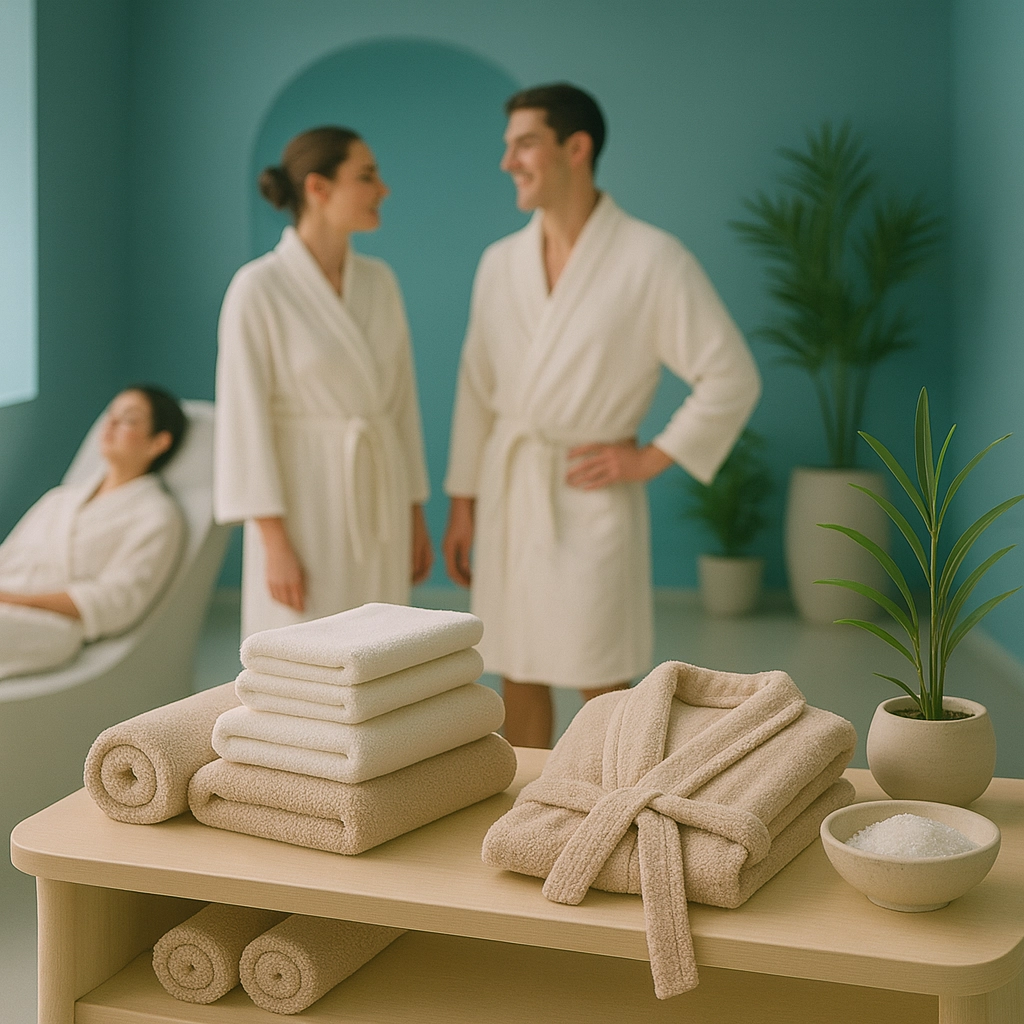
You’ll change into your birthday suits (yep, swimsuits are optional—float rooms are very private!) in a suite made just for couples. There are showers, fresh towels, and all the amenities you need to feel right at home.

image_2

Inside the Float Suite

The couples suite at Float District is roomy—absolutely no cramped pods here. The water is perfectly warm, the air is comfortable, and there’s enough space to hold hands, stretch out, or float side-by-side. Ambient lighting and soothing music are customizable, so you can set the mood to match your vibe.

Once the session starts, you both slip into the water and weightlessly drift. With no phones, no clocks, and no interruptions, you can focus on your breath and each other. Some couples like occasional whispering or a squeeze of the hand; others just enjoy the mutual silence. There’s no right or wrong way to float together.

After The Float: Chill, Connect, and Glow

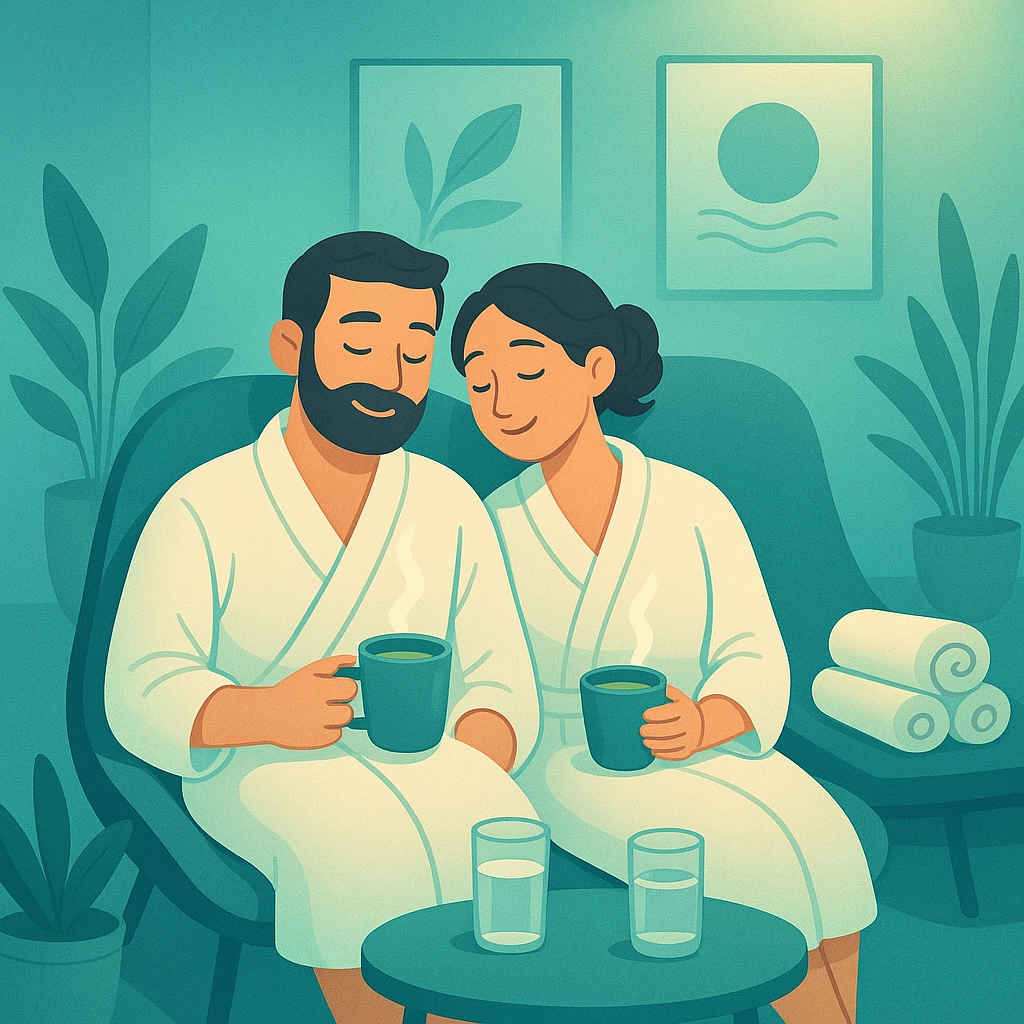
Once your session ends, you’ll have time to shower and get cozy in the lounge area—complimentary tea, water, and plenty of calm to soak up together. You might even find yourselves smiling and giggling for no reason; the combination of magnesium, warmth, and sensory relief puts most couples in the absolute best moods.

Float District also offers add-ons like infrared saunas, cold plunge experiences, vibroacoustic sound therapy, and salt therapy, if you want to design an ultra-deluxe wellness date night.

Learn more about facility features here: Our Services

Options and Pricing for Couples Floats

Float District keeps things straightforward and affordable. Couples float sessions are available in a range of durations—30, 60, 90, and even 120 minutes—so you can choose what fits your schedule (and comfort level!).

  • Add a Second Person: Bring your partner for just $35 extra, or $20 if you’re a member (members get this rate once every six months).
  • Want Regular Float Dates? Membership unlocks discounts and perks, so date night stays budget-friendly.
  • Customize Your Night: Pair your float with an infrared sauna, cold plunge, or another wellness service for a mini-retreat.

Check the full pricing and membership details here: Pricing Page and Membership Info

image_3

Tips for First-Time Float Date Night

  • Don’t Rush. Give yourselves 15–30 minutes after floating to relax and rehydrate together.
  • Go Tech-Free. Try leaving your phones in your lockers—not just in the float suite, but through the whole visit.
  • Share the Experience…Or Not. Some couples chat about what they noticed during the float; others prefer to just relax side-by-side. There are no rules!
  • Make it a Tradition. Many pairs schedule regular float nights as a way to reconnect (especially busy parents, engaged couples, or longtime partners).

Why Omaha Loves Float Therapy for Two

Omaha’s wellness scene is blossoming, but float therapy for couples is truly something unique. If dinner dates are starting to feel routine, or if you want to show your partner how much you value their wellbeing, a float therapy evening delivers both “me” and “we” time in a new way.

Plus, you’ll both leave the experience with a story to tell—one that’s just for you, shared in soothing silence, under twinkling lights and gently drifting in peace.

Curious to book your ultimate float therapy date night? Check out the available couples suites, see live reviews, or contact our friendly team at Float District.


Want more unique date night or wellness ideas? Browse our blog for inspiration: Float District Blog

Copyright © 2025 Float District · All Rights Reserved